Skip to content

Engineered Hardwood Flooring

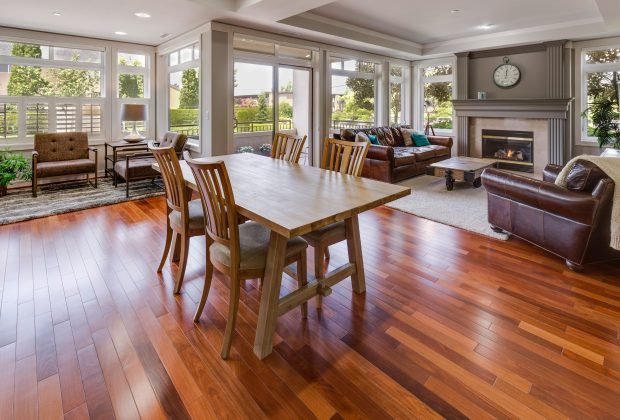
Engineered hardwood flooring combines a real hardwood surface with a layered core, providing the appearance of natural wood with greater dimensional stability than traditional solid hardwood. Engineered hardwood can use nail-down, glue-down, and floating installation systems, depending on the product and subfloor.

Professional engineered hardwood installation typically costs $7 to $20 per square foot, including materials and labor. A complete project commonly ranges from $2,000 to $7,000, averaging about $4,750.

Floor Ready Pro helps homeowners find engineered hardwood flooring installers throughout Washington, Ohio, Florida and California.

  • $7–$20 per sq ft installed
  • Nail-down, glue-down & floating
  • Washington, Ohio, Florida & California

What Is Engineered Hardwood?

Engineered hardwood consists of a real hardwood veneer attached to multiple supporting layers. The layered construction distinguishes engineered flooring from solid hardwood, which uses the same wood throughout the plank.

Engineered hardwood should also not be confused with laminate. Laminate uses a printed decorative layer to reproduce the appearance of wood, while engineered hardwood has genuine wood at the surface.

The construction provides additional dimensional stability and makes engineered hardwood compatible with installation situations where solid hardwood may not be the preferred option.

Layered Core

Beneath the hardwood surface, engineered flooring contains multiple layers designed to create a stable plank.

The number and quality of these layers vary by product. Basic engineered wood may use fewer core layers, while higher-grade flooring can use seven or more.

Product construction affects price, stability and durability, so two engineered hardwood floors with similar appearances can have significantly different specifications.

Installation Methods

One advantage of engineered hardwood is installation flexibility. Depending on the product, you can nail, staple, glue, or float the flooring.

The manufacturer should specify approved methods for each product. The subfloor and room conditions then help determine which approved option makes the most sense.

Nail-Down Installation

Some engineered hardwood can be mechanically fastened to a suitable wood subfloor.

Installers secure the boards using flooring fasteners while maintaining the required layout and perimeter spacing. Evaluate subfloor condition before installation because loose or deteriorated panels can affect the finished floor.

Not for slabs

Nail-down installation generally does not apply directly to a concrete slab.

Glue-Down Installation

Glue-down installation bonds engineered hardwood to a properly prepared substrate. This method can make engineered wood suitable for some concrete-slab applications.

Surface preparation is important. Dust, contamination, excessive unevenness and moisture conditions can interfere with adhesive performance. The adhesive must also match the flooring manufacturer's requirements and the substrate.

Floating Installation

Some engineered hardwood uses a floating installation system in which boards connect to each other rather than directly to the subfloor.

Floating floors can work over several suitable surfaces and may require an approved underlayment.

Flatness still matters

The substrate still needs to meet flatness and moisture requirements. Do not use a floating system to conceal damaged or unstable subfloor material.

Engineered Hardwood Cost

Engineered hardwood installation costs approximately $7 to $20 per square foot, including materials and professional labor.

Engineered hardwood material alone generally costs $3 to $16 per square foot. Wood species, grade, plank dimensions and veneer thickness determine where a product falls within that range.

Labor commonly costs $3 to $10 per square foot and can account for roughly half of the total installation price.

$7–$20 per sq ft installed

Materials and professional labor combined.

Most complete projects cost about $2,000 to $7,000, with an average near $4,750.

Cost by Grade

Grade Approx. Cost
Basic engineered hardwood $5–$9 / sq. ft.
Mid-grade engineered hardwood $6–$12 / sq. ft.
High-end engineered hardwood $13–$20 / sq. ft.

Basic products commonly use fewer core layers and a thinner hardwood veneer. Mid-grade flooring uses thicker construction and a more substantial veneer, which can improve durability. High-end products may use seven or more core layers and thicker veneers.

The best option depends on the room, expected traffic and long-term plans for the home rather than price alone.

Cost by Wood Species

Wood species also affects material cost. Product construction can create price differences even within the same species.

Engineered Wood Species Approx. Material Cost
Red oak $2–$6 / sq. ft.
White oak $4–$7 / sq. ft.
Maple $3–$10 / sq. ft.
Cherry $4–$10 / sq. ft.
Teak $9–$13 / sq. ft.

Compare grade, veneer and core specifications alongside wood type.

Additional Costs

Existing-floor removal, subfloor repairs and finishing can increase the project total.

Existing-Floor Removal

Removing the current floor adds to the project total and exposes the actual substrate so installers can evaluate it before the new flooring goes down.

Subfloor Repairs

Subfloor repairs commonly cost approximately $2 to $10 per square foot, while more extensive subfloor replacement can cost about $900 to $3,000 for many projects.

Subfloor Repair

Finishing

Unfinished engineered hardwood may also require a protective finish after installation. Finishing can add approximately $2 to $7 per square foot.

Engineered vs. Solid Hardwood

Both options provide a real wood surface, but their construction creates important differences in installation and long-term use.

Solid hardwood is made from a single piece of wood. Engineered hardwood uses a real wood veneer over a layered core.

Installation Flexibility

Solid hardwood commonly uses nail-down or staple-down installation over a suitable wood subfloor.

Engineered hardwood provides more options. Depending on the product, contractors may nail, glue or float the flooring. That flexibility can make engineered wood particularly useful in homes with concrete slabs or in areas where mechanical fastening isn't practical.

Moisture Stability

Engineered hardwood generally handles humidity changes better than solid wood because its layered core reduces dimensional movement.

Not waterproof

Leaks, flooding and persistent moisture can still cause staining, swelling, warping or deterioration. Rooms with active moisture problems need corrective work before installing either solid or engineered hardwood.

Refinishing

Solid hardwood generally provides greater refinishing potential because usable wood extends through more of the plank.

Engineered hardwood has a limited real-wood surface layer. Flooring with a sufficiently thick veneer may support one or two refinishing cycles, while thin-veneer products may not tolerate traditional sanding.

Homeowners planning to keep the flooring for decades should consider veneer thickness when comparing products.

Lifespan

Engineered hardwood can last approximately 20 to 40 years with appropriate installation and maintenance. Product quality, wear-layer thickness, household traffic and moisture exposure all influence actual service life.

Solid hardwood can last longer and may support multiple refinishing cycles. Engineered hardwood can still provide a long service life when its construction and installation match the room.

Where It Works Best

Engineered hardwood can work in living rooms, bedrooms, hallways, dining areas and other residential spaces where homeowners want genuine wood flooring. Its installation flexibility also opens up options for spaces where solid hardwood may be harder to install.

Living Areas

Living rooms and dining areas are common locations for engineered hardwood. The real wood surface provides the look and feel of hardwood, while the layered construction adds stability.

Furniture pads can help protect the finish from scratches. Entry mats can also reduce abrasive dirt in high-traffic areas.

Bedrooms

Bedrooms generally expose flooring to less moisture and heavy traffic than kitchens or entrances, making them suitable locations for many engineered hardwood products.

Homeowners planning continuous flooring between bedrooms and hallways should discuss transitions and layout before installation begins.

Concrete Slabs

Engineered hardwood provides more options over concrete than traditional nail-down solid hardwood. Approved products can sometimes use glue-down or floating installation over properly prepared concrete.

Moisture evaluation remains essential. A concrete slab can transmit moisture even when the surface looks dry, so installers should follow the flooring and adhesive manufacturers' requirements.

Kitchens

Engineered hardwood can offer better dimensional stability than solid hardwood in environments with humidity changes, but kitchen installation still requires sensible moisture management.

Clean spills promptly, and don't leave plumbing leaks unresolved. Homeowners wanting flooring designed for frequent standing water may need to compare other flooring categories.

Choosing Engineered Hardwood

Appearance is important, but plank construction deserves equal attention. Two products with similar colors can have very different wear layers, cores and installation requirements. Review specifications before comparing prices.

Veneer Thickness

Veneer thickness affects durability and refinishing potential. A thicker wear layer generally provides more usable hardwood above the core. Higher-grade engineered products commonly provide thicker veneers than entry-level alternatives.

Homeowners interested in refinishing should confirm whether the specific product can be sanded and how many times the manufacturer permits it.

Plank Thickness

Planks around 5/16 inch can cost approximately $2 to $5 per square foot, while 3/4-inch products can cost about $3 to $10. Thicker 7/8-inch engineered products can cost approximately $5 to $15 per square foot.

Thickness alone does not determine overall quality. Evaluate core construction and wear-layer thickness at the same time.

Plank Width

Standard engineered hardwood planks commonly measure about 5 inches wide or less. Specialty wide planks measuring 6 to 12 inches can cost approximately $5 to $18 per square foot.

Wide planks create a different visual effect and may change layout requirements. Consider room dimensions before choosing plank width so the finished proportions suit the space.

Before Installation

Proper preparation protects the investment in engineered hardwood. The installer should evaluate the substrate, room conditions and selected installation method before laying the first board. Existing flooring may also need to be removed to expose the actual substrate.

Subfloor Repair
  1. Subfloor Condition

    Plywood and other wood subfloors should be stable and free from significant deterioration. Concrete should meet the requirements of the selected flooring and installation system.

    Correct soft spots, loose panels, and significant unevenness before installation. Do not use new engineered hardwood to conceal an underlying flooring problem.

  2. Moisture Conditions

    Engineered hardwood offers greater moisture stability than solid hardwood, but moisture can still damage the floor.

    Installers should evaluate conditions according to manufacturer requirements, particularly over concrete slabs and in areas with a history of moisture. Correct active plumbing leaks, water intrusion, and persistent dampness before installation.

  3. Acclimation

    Acclimation requirements vary between engineered hardwood products.

    Some flooring needs time in the installation environment, while other products use different manufacturer procedures. Don't apply a fixed acclimation period to every engineered hardwood floor. The installer should follow the instructions for the specific product.

Regional Considerations

Floor Ready Pro helps homeowners find engineered hardwood installers across Washington, Ohio, Florida and California.

Washington

Washington's moisture conditions make site evaluation important, particularly in lower levels and homes with previous water problems.

Ohio

Ohio's seasonal temperature and humidity changes make stable indoor conditions important for wood flooring.

Florida

Florida's high humidity and widespread concrete-slab construction make engineered hardwood a practical option for some projects. The product still needs approval for the application, and slab moisture should be evaluated before installation.

California

California contains both slab-on-grade and raised wood-floor construction. Installation methods should match the actual substrate and local conditions, rather than relying on a single approach statewide.

Engineered Hardwood Maintenance

Regular cleaning helps protect the hardwood veneer and finish. Remove grit using a soft broom, dust mop or vacuum setting suitable for wood flooring.

Clean spills promptly and avoid leaving standing water on the surface. Engineered hardwood has improved dimensional stability, but prolonged moisture can still damage wood and the supporting layers.

Protect the finish:

  • Manufacturer-approved cleaners
  • No abrasive tools
  • Furniture pads
  • Entry mats

Engineered hardwood may eventually need localized repairs or refinishing. Individual plank replacement can cost about $7 to $20 per square foot, while professional refinishing generally costs about $3 to $8 per square foot when the wear layer is thick enough to allow refinishing.

Frequently Asked Questions

How much does engineered hardwood flooring cost?

Engineered hardwood installation generally costs $7 to $20 per square foot, including labor and materials. Most projects cost approximately $2,000 to $7,000, with an average near $4,750.

Is engineered hardwood real wood?

Yes. Engineered hardwood has a genuine hardwood veneer at the surface. The supporting core uses multiple layers rather than solid wood throughout the entire plank.

Can engineered hardwood be installed over concrete?

Yes, many engineered hardwood products can be glued or floated over properly prepared concrete when the manufacturer approves the installation. Evaluate moisture conditions before work begins.

How long does engineered hardwood last?

Engineered hardwood can last approximately 20 to 40 years, depending on product quality, installation, maintenance and household conditions.

Can engineered hardwood be refinished?

Some engineered hardwood can be refinished once or twice if the real-wood wear layer is thick enough. Products with thin veneers may not support traditional sanding and refinishing.

Install Engineered Hardwood Flooring

Engineered hardwood combines a genuine wood surface with installation flexibility that can suit wood subfloors and some concrete applications. Consider product grade, veneer thickness, core construction, and installation method before ordering flooring.

Floor Ready Pro helps homeowners in Washington, Ohio, Florida and California find professional installers for engineered hardwood projects.