
Restore Existing Hardwood
Sand away worn finish and surface damage when the flooring remains suitable for refinishing.
Searching for floor refinishing near me can help restore hardwood that has become scratched, dull, faded or worn through years of use. A qualified refinishing professional can assess the existing floor, determine whether sanding is appropriate and recommend a suitable restoration process.
Professional floor refinishing can restore existing wood without removing an otherwise serviceable floor. The appropriate service depends on hardwood construction, remaining thickness, surface condition and the type of damage present.
A contractor should inspect the flooring before recommending complete sanding. Some floors only need surface maintenance, while deeper wear or widespread finish failure can justify full refinishing.
Hardwood refinishing typically includes sanding away the existing coating, preparing the exposed wood and applying a new protective finish. Stain can also be applied when homeowners want to alter the floor color.
Solid hardwood often provides good refinishing potential because the boards contain wood throughout their thickness. Previous sanding still matters because every refinishing project removes a small amount of material.
Sanding removes the old finish along with a thin layer of worn wood. Professional equipment allows contractors to work across large areas while separate machines handle edges and other difficult-to-reach sections.
Proper grit progression creates a consistent surface for staining or finishing. Excessive sanding can permanently damage flooring, so contractors should evaluate older or previously refinished hardwood before work begins.
Staining changes the appearance of hardwood but is not required for every refinishing project. Homeowners can retain a more natural wood tone when the existing species and color already suit the space.
The protective finish provides the working surface after sanding and optional staining. Finish selection affects sheen, appearance, drying requirements and how soon the room can return to normal use.
Some floors require repairs in addition to standard refinishing. Damaged boards, deep stains, gaps or localized deterioration may need attention before sanding creates a uniform surface.
Refinishing cannot correct active leaks, rot or major structural problems. Address these before cosmetic restoration begins.
Finding a nearby contractor should involve more than selecting the first company in search results. The contractor should understand the flooring type, explain the proposed process and provide a clear written scope before sanding begins.
Homeowners should compare estimates based on equivalent work. One quote may include repairs, staining and multiple finish coats while another covers only basic sanding and coating.
Ask about experience with the specific flooring involved in the project. Solid hardwood, engineered hardwood, stairs and decorative flooring patterns can require different approaches.
A contractor should also recognize when a floor should not be aggressively sanded. This becomes particularly important with engineered products and older hardwood that may have undergone several previous refinishing cycles.
A useful estimate begins with an inspection rather than square footage alone. Contractors should look for remaining wood thickness, damaged boards, stains, loose sections and signs of moisture problems.
This assessment helps distinguish cosmetic wear from damage that requires repair. It also reduces the chance of discovering predictable preparation work only after sanding has started.
Ask whether the estimate includes sanding, edge work, stain, finish coats and basic preparation. Furniture moving, repairs and stair work should also be identified when they apply.
The contractor should explain how unexpected damage will be handled. Written approval for additional work helps homeowners maintain control over project costs after the existing finish has been removed.
Floor sanding creates fine wood dust, so homeowners should ask what collection equipment and containment methods will be used. Modern professional systems can capture a substantial amount of sanding debris.
No responsible estimate should depend on unrealistic promises that every refinishing project will produce absolutely no dust. Contractors should instead explain how dust will be controlled and how adjoining spaces should be prepared.
Professional hardwood floor refinishing commonly costs around $3 to $8 per square foot. Project size, floor condition, repairs, staining and detailed areas such as stairs can move the final estimate higher or lower.
An on-site assessment provides a more useful estimate because square footage alone does not show the condition of the wood.
Professional hardwood floor refinishing.
A 500-square-foot project can provide a preliminary planning range of approximately $1,500 to $4,000.
A refinishing contractor needs clear information about the existing floor and desired result. Homeowners should also understand how the project will affect room access, furniture and normal household routines.
Discussing these details before signing an estimate helps establish realistic expectations. The contractor should be able to explain the work sequence and what homeowners need to complete before the scheduled start date.
Determine whether the floor is solid hardwood or engineered hardwood when possible. Engineered flooring has a real-wood wear layer that may limit how much sanding the product can tolerate.
The contractor should inspect it. Incorrectly sanding through a thin wear layer can permanently damage engineered flooring.
Point out loose boards, damaged sections and known moisture issues during the initial inspection. Some repairs can be completed as part of the refinishing project, while structural or plumbing problems may require another professional.
Replacing individual boards before sanding can help blend repaired areas, although exact color matching may still be difficult.
Refinishing involves more than the time spent sanding. Preparation, stain drying, finish coats and curing requirements all influence how long rooms remain unavailable.
Ask when light foot traffic, furniture and area rugs can safely return. A coating can feel dry before it reaches sufficient hardness for heavy furniture or covered surfaces.
Water-based and oil-based polyurethane are common choices, but the best system depends on the project and homeowner preferences. Appearance, odor, application requirements and curing characteristics differ between products.
The contractor should explain which finish is proposed and why it suits the floor. Any stain and protective coating also need to be compatible with one another.
Floor Ready Pro helps homeowners connect with floor refinishing professionals throughout Washington, Ohio, Florida and California. Local climate and housing characteristics can affect existing hardwood and the preparation required before restoration.
The actual condition of the home matters more than broad regional assumptions. A professional inspection should identify moisture, previous refinishing and flooring construction before a restoration plan is finalized.
Washington homes can experience seasonal moisture changes that affect wood flooring. Contractors should investigate visible moisture damage or movement before sanding and finishing the surface.
Stable indoor conditions also help hardwood perform after restoration. Active leaks or persistent dampness should be corrected before a new finish is applied.
Ohio has many older homes where hardwood may have undergone previous sanding, repairs or decades of wear. A contractor should determine whether sufficient material remains for another full refinishing cycle.
Seasonal indoor humidity changes can also influence natural wood movement. Maintaining suitable indoor conditions helps limit excessive expansion and contraction after refinishing.
Florida's humidity makes moisture assessment particularly important for wood flooring. Hardwood installed over or near concrete may require careful evaluation when staining, movement or other moisture-related symptoms appear.
Refinishing cannot correct moisture entering from below the flooring system. Address the source before sanding and applying a new coating.
California flooring conditions vary considerably between coastal, inland and drier climates. Hardwood may also experience substantial sunlight exposure, which can create color differences between covered and uncovered sections.
A contractor should evaluate the actual property rather than recommend one approach statewide. Wood species, floor construction and indoor conditions remain central to the refinishing decision.
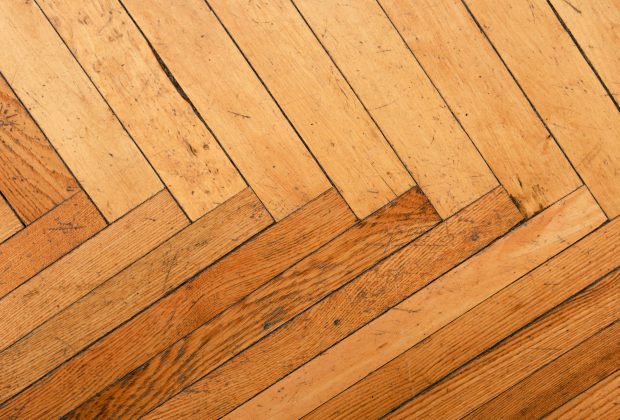
Newly refinished hardwood should receive gentle care after the coating reaches the appropriate cure stage. Regular sweeping or vacuuming removes grit that can scratch the protective surface during normal foot traffic.
Spills should be cleaned promptly using products appropriate for the selected finish. Excess water, harsh chemicals and unsuitable steam-cleaning methods can damage wood or shorten the life of the coating.
Protect the restored floor:
Sunlight can gradually alter natural wood color. Window coverings and occasional adjustments to rugs or furniture can help reduce sharp differences between exposed and continuously covered areas.
Look for professionals with experience refinishing the type of wood flooring in your home and request an inspection before agreeing to sanding. Compare written estimates based on preparation, sanding, stain, finish coats and any required repairs.
Professional hardwood refinishing generally costs around $3 to $8 per square foot. Floor condition, staining, repairs, stairs and project size can change the final price.
Many older solid hardwood floors can be refinished when enough usable wood remains. A contractor should check previous sanding, board condition and remaining thickness before recommending another full refinishing.
Some engineered hardwood can be refinished if the real-wood wear layer is sufficiently thick. Products with thin wear layers may not tolerate conventional sanding and should be assessed before work starts.
Refinishing usually makes sense when existing hardwood remains structurally sound and has enough material for sanding. Replacement may be more appropriate for widespread structural damage, severe deterioration or flooring that cannot safely undergo another refinishing cycle.
A local refinishing professional can determine whether worn hardwood needs complete sanding, localized repairs or a less intensive treatment. A detailed inspection also helps establish realistic costs and avoids removing wood unnecessarily.
Floor Ready Pro helps homeowners across Washington, Ohio, Florida and California connect with professionals for sanding, staining, finishing and hardwood floor restoration.