Skip to content

Hardwood Flooring Cost in 2026

Hardwood flooring typically costs $6 to $25 per square foot installed in 2026. A professional hardwood flooring project typically costs $2,469 to $7,034, with an average of about $4,723.

The final hardwood installation price depends on wood species, solid versus engineered construction, plank dimensions, installation method and subfloor condition. Removing existing flooring, repairing damaged subfloor and choosing a detailed pattern can increase the total.

Floor Ready Pro helps homeowners in Washington, Ohio, Florida and California find hardwood flooring installers and compare complete project estimates.

  • $6–$25 per sq ft installed
  • $2,469–$7,034 typical project
  • Washington, Ohio, Florida & California

Hardwood Cost Breakdown

A hardwood flooring quote contains two major expenses: the flooring material and installation labor. Preparation, demolition, trim and other project requirements can add to both.

Material selection creates a particularly wide price range because hardwood products vary substantially by species and construction.

$6–$25 per sq ft installed

Typical installed range for hardwood flooring in 2026.

A professional hardwood flooring project typically costs $2,469 to $7,034, with an average of about $4,723.

Material and Labor

Cost Component Typical Range
Hardwood materials $3–$15 / sq. ft.
Installation labor $3–$10 / sq. ft.
Additional materials Depends on installation system

Higher-end and specialty woods can exceed the material range.

Installation Labor

Hardwood installation labor commonly costs approximately $3 to $10 per square foot, depending on the product and installation complexity.

Straightforward nail-down installation in an open rectangular room can require less labor than glue-down flooring, stairs or detailed patterns.

Local labor rates also matter. Installation prices in major California and Washington markets can differ from costs in parts of Ohio or Florida.

Hardwood Floor Installation

Additional Materials

Hardwood projects can require fasteners, adhesive, moisture-control products, transitions and trim.

The installation system determines which materials are necessary. Glue-down engineered hardwood requires different supplies from nail-down solid wood.

Check the estimate

A detailed estimate should identify important installation materials rather than presenting only the plank price and a basic labor rate.

Solid vs. Engineered Costs

Solid and engineered hardwood both use real wood, but construction differences affect product prices and installation options.

Neither type is automatically cheaper for every project. The substrate and installation method can change the completed cost considerably.

Solid Hardwood

Solid hardwood materials generally cost around $4 to $15 per square foot, with some specialty products costing more.

Wood species creates a significant price difference. Common domestic woods can provide lower-cost options than uncommon species or specialty grades.

Concrete slabs

Solid hardwood frequently uses nail-down or staple-down installation over a suitable wood subfloor. A home with a concrete slab may require a different flooring choice or additional installation considerations.

Hardwood Flooring

Engineered Hardwood

Engineered hardwood generally costs about $4.50 to $16 per square foot for materials, depending on construction, wood species and wear-layer quality.

Some engineered products can be nailed, glued or floated, creating more installation options than traditional solid hardwood.

Compare the whole system

A lower-cost installation method does not necessarily mean the least expensive completed floor. Include product price, adhesive, underlayment, and substrate preparation.

Engineered Hardwood Flooring

What Changes the Price?

Square footage provides a starting point, but several project conditions determine the actual hardwood installation price.

The existing floor is particularly important. A room ready for hardwood installation costs less to prepare than one requiring demolition and subfloor replacement.

Wood Species

Species influences both appearance and material cost. Oak remains a common hardwood flooring choice, while maple, hickory, walnut and other woods occupy different price points. Specialty and imported species can cost more than widely available domestic products.

Hardness, appearance and the manufacturer's product specifications can matter more than a small difference in material cost.

Plank Width

Wider boards can cost more than standard-width products. Product construction and species also influence how much that difference matters.

Plank dimensions affect the visual result and layout. Compare actual product prices rather than assuming all wide-plank flooring belongs to the same price category.

Installation Method

Nail-down, staple-down, glue-down and floating systems have different labor and material requirements.

Glue-down installation adds adhesive and careful substrate preparation. Nail-down installation requires a suitable fastening surface, while floating engineered hardwood may require an approved underlayment.

Installation Pattern

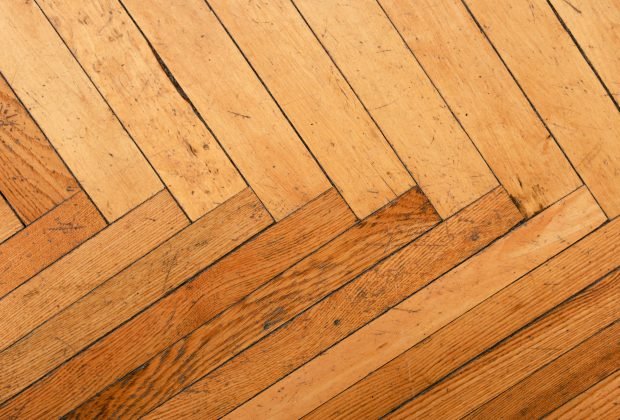
Straight plank installation generally provides the most straightforward layout. Herringbone, chevron and other decorative patterns require additional measuring, cutting and placement. More cuts can also increase material waste.

Budget for both additional labor and additional material when choosing a patterned floor.

Room Layout

Open rectangular rooms allow installers to work more efficiently than spaces containing numerous closets, doorways, alcoves and angles.

Stairs require particularly detailed work because each tread and riser needs individual measurement and fitting. Multiple rooms can also require additional transitions and layout planning.

Removal and Preparation

Replacement projects often cost more than installations in spaces already prepared for hardwood. The contractor must evaluate existing flooring before determining the full scope.

Demolition can also expose conditions that were impossible to identify beforehand.

Preparation Item Typical Cost
Existing flooring removal $1.50–$3.50 / sq ft
Tile removal $2–$7 / sq ft
Nailed or stapled carpet removal $1–$1.50 / sq ft
Subfloor replacement $3–$10 / sq ft (about $900–$3,000 for a 300 sq ft room)
Floor leveling Depends on substrate and manufacturer tolerances

The estimate should specify whether hauling and disposal are included.

Old Flooring Removal

Existing flooring removal commonly costs approximately $1.50 to $3.50 per square foot, although the material can change that amount.

Tile removal can reach approximately $2 to $7 per square foot because breaking up tile and removing setting material requires additional labor. Carpet is generally easier to remove, at around $1 to $1.50 per square foot for basic nailed or stapled carpet.

Subfloor Repair

Hardwood requires a stable installation surface. Correct soft areas, deteriorated panels, and significant movement before installing the new floor.

Subfloor replacement generally costs approximately $3 to $10 per square foot. A 300-square-foot room can therefore cost about $900 to $3,000 when full subfloor replacement is necessary.

Localized repairs may cost less. Structural damage involving joists can require additional work beyond standard flooring preparation.

Floor Leveling

Excessive unevenness can require correction before hardwood installation, particularly for glue-down and floating systems.

The amount of preparation depends on the substrate and flooring manufacturer's tolerances. Localized corrections cost less than extensive work throughout a room.

The contractor should identify required preparation separately when it represents a significant part of the estimate.

Project Size and Budget

A per-square-foot range can help homeowners establish an early budget. At $6 to $25 per square foot installed, project totals vary substantially based on both floor area and hardwood selection.

These figures are planning ranges rather than guaranteed quotes. Higher-cost products, detailed patterns, stairs or extensive preparation can push a project beyond the basic range.

Material waste also needs consideration. Many standard installations require roughly 10% additional material beyond the measured finished area for cuts and unusable pieces. Detailed layouts may require a larger allowance.

Buying too little material can create delays and may require ordering additional flooring from a different production lot.

$3,000–$12,500 for 500 sq ft

Installed, using the broad $6–$25 per square foot range.

A 1,000-square-foot project could range from about $6,000 to $25,000 installed.

Example Project Totals

Floor Area Installed at $6–$25 / sq ft
500 square feet $3,000–$12,500
1,000 square feet $6,000–$25,000

Plan for roughly 10% extra material on standard layouts, and more for detailed patterns.

Refinishing vs. Replacement

Existing hardwood does not always need replacement. Refinishing may provide a lower-cost option when the boards remain structurally sound and the primary problems involve scratches, worn finish or surface discoloration.

Hardwood floor refinishing commonly costs about $3 to $8 per square foot. The project generally involves sanding the existing surface and applying a new finish.

Replacement makes more sense when:

  • Many boards have severe damage
  • The flooring cannot tolerate more sanding
  • You want a different material or layout

Subfloor problems can also require more extensive work. A professional assessment can help determine whether the existing hardwood remains a suitable candidate for refinishing before homeowners budget for complete replacement.

Floor Refinishing

Comparing Hardwood Estimates

Price differences between hardwood contractors can result from more than labor rates. One estimate may include removal, preparation and transitions while another covers only basic installation. Compare the complete scope before selecting an installer.

Determine whether the quote includes:

  • Flooring removal
  • Disposal
  • Transitions
  • Trim
  • Furniture moving
  • Appliance moving
  • Adhesive (glue-down)
  • Underlayment (floating)

Comparing equivalent scopes provides a more useful price comparison than simply choosing the smallest total.

Regional Cost Factors

Floor Ready Pro connects homeowners with hardwood flooring services across Washington, Ohio, Florida and California. Local labor costs and building conditions can influence hardwood project prices.

Washington

Washington homeowners, particularly in higher-cost metropolitan markets, can encounter labor rates above national averages. Moisture evaluation also deserves attention before hardwood installation.

Ohio

Ohio can offer lower labor costs than many West Coast markets, although older homes may require additional preparation or subfloor work.

Florida

Florida's concrete-slab construction can influence both product and installation-method selection. Engineered hardwood can offer additional installation options for suitable slab applications, but check moisture conditions first.

California

California prices vary substantially between coastal metropolitan areas and inland communities. Local labor rates, housing type and the existing substrate should all be considered when budgeting.

Maintaining the Investment

Hardwood maintenance affects how long the floor remains attractive before refinishing or replacement becomes necessary.

Remove grit regularly using a vacuum setting suitable for hardwood, dust mop or soft broom. Sand and debris can act as abrasives under foot traffic.

Protect the finish:

  • Clean spills promptly
  • No standing water
  • Finish-specific cleaners
  • Furniture pads
  • Entry mats

Homeowners should also follow manufacturer recommendations for indoor environmental conditions. Wood responds to moisture changes, so stable indoor conditions support long-term performance.

Frequently Asked Questions

How much does hardwood flooring cost per square foot?

Hardwood flooring generally costs $6 to $25 per square foot installed. Material commonly costs about $3 to $15 per square foot, while professional installation can add about $3 to $10 per square foot.

How much does it cost to install 500 square feet of hardwood?

Using an installed range of $6 to $25 per square foot, 500 square feet can cost approximately $3,000 to $12,500. Wood species, preparation and installation complexity determine where a project falls within that range.

How much does it cost to install 1,000 square feet of hardwood?

A 1,000-square-foot hardwood project can cost approximately $6,000 to $25,000 using typical installed pricing. Extensive subfloor work, specialty hardwood or complex patterns can increase the total.

Is engineered hardwood cheaper than solid hardwood?

Not always. Engineered hardwood commonly costs around $4.50 to $16 per square foot, while solid hardwood commonly costs about $4 to $15 per square foot. Product quality and installation method can matter more than the flooring category alone.

Is refinishing hardwood cheaper than replacing it?

Refinishing generally costs less when the existing boards remain suitable for restoration. Hardwood refinishing typically costs about $3 to $8 per square foot, compared with about $6 to $25 per square foot for new hardwood installation.

Get a Hardwood Flooring Estimate

Hardwood flooring commonly costs $6 to $25 per square foot installed, but the finished price depends on much more than square footage. Wood species, installation method, demolition, subfloor condition and layout all affect the project total.

Floor Ready Pro helps homeowners in Washington, Ohio, Florida and California find hardwood flooring installers and compare complete estimates before installation begins.